Sister Other Paranoia Trailer Breakdown
A spoiler-light reading of the official trailer—what it shows, what it withholds.
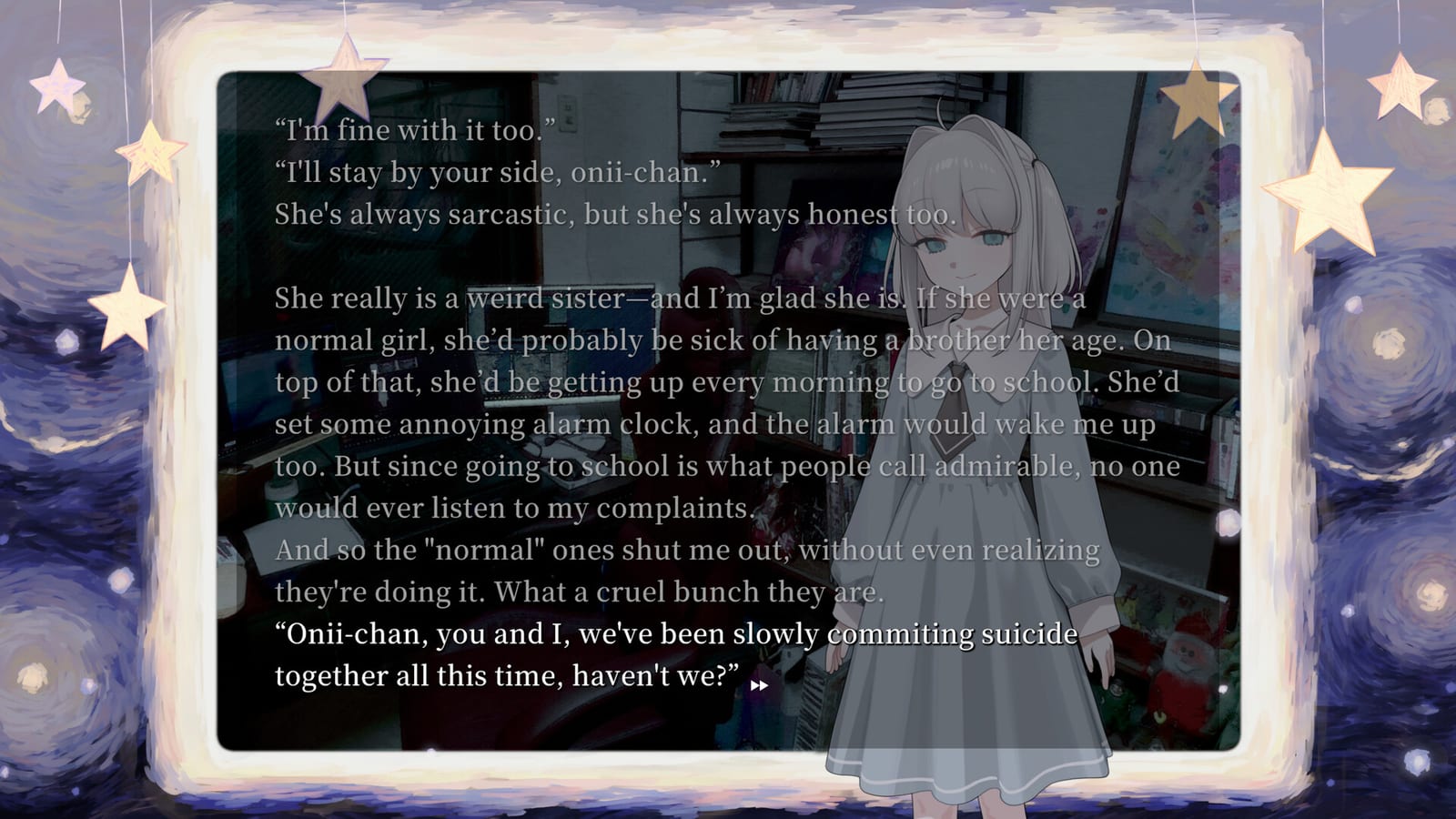
Why watch the trailer on purpose
Trailers for psychological visual novels are easy to doomscroll past. Sister Other Paranoia’s official trailer deserves a slower look because the game’s pitch is atmosphere-first: classic full-screen reading, codependent intimacy, and a mind-reading fantasy that turns social resentment lethal. This breakdown uses the real YouTube upload (Jmdkeni-1w0) as a tone checklist—not as a substitute for the story’s unfinished public map of endings.
If you have not onboarded yet, skim Getting Started first. If you want systems context while you watch, keep How to Play and Mind Reading nearby. For the wider guide list, return to the Guides Hub.
Official trailer
The embed below is the official trailer referenced throughout this wiki. Watch it once without multitasking if you can. We intentionally keep analysis around presentation and confirmed marketing themes rather than inventing plot twists the video does not state.
What the trailer is selling
1. A literary, full-frame novel feel
Promo materials for Sister Other Paranoia repeatedly describe old-school VN presentation: text across the screen, click to advance, right-click to hide UI. Even when a trailer cuts quickly, look for how much of the frame is devoted to characters and environments versus busy HUD clutter. A clean frame is the point. After you buy, Controls explains why hide-text exists as a first-class verb.
2. Sisterly address and private-room intimacy
Public copy leans hard on lines spoken to “onii-chan” and the idea that the sister is the last comfort in an ugly world. Trailer imagery and captioning typically underline that closed-loop intimacy. Watch for contrasts between social exteriors and the shared room—the same contrast Serenity Forge’s site dramatizes in prose.
3. Social noise as horror
The protagonist’s origin story in store text is hypersensitivity to other people’s emotions and thoughts. Trailers in this lane often visualize jealousy, whispers, or oppressive everyday spaces. You do not need a lore dump to recognize the denpa adjacent mood: the world is too loud, and telepathy makes it louder.
4. The dark promise of influence
Official text states mind reading can push people toward suicide by striking hidden insecurities. A responsible trailer will hint at menace without turning the thumbnail into gore bait. If a shot feels like judgment day for side characters, assume it is thematic foreshadowing, not a tutorial tooltip. Deep dive: Mind Reading.
5. Stylish staff fingerprints
Knowing Ohisashiburi is on art and Aiobahn +81 on music trains your eye and ear while you watch. Line quality, color grading, and needle-drop timing are part of the product. UI flashes, if any, may reflect Maruino’s design sensibility—interesting for players who care about menu craft, irrelevant to plot spoilers.
How to watch without spoiling yourself
- Prefer the official upload over random reuploads with speculative titles.
- Avoid reading comment “ending theories” before your first run.
- Pause on art direction notes; do not pause to screenshot every frame for a conspiracy board.
- If mental-health themes spike your anxiety, stop. The trailer is optional marketing, not homework.
Pairing the trailer with the demo
A trailer is a curated music video for a novel. A demo is a paced sample of reading fatigue, UI friction, and tone sustain. Use both:
- Trailer — “Do I want this aesthetic in my library?”
- Demo — “Can I sit with this prose for an evening?”
- How to Buy — “Am I ready for the August unlock?”
If the trailer hooks you but the demo drains you, trust the demo. Length and silence are part of classic VN design; trailers compress them.
What the trailer does not confirm
Stay honest:
- It does not publish an ending count.
- It does not prove a route chart.
- It does not replace Steam’s mature content description.
- It does not guarantee identical scenes in the shipping build—trailers edit.
- It does not make Sister Other Paranoia a systems clone of Needy Streamer Overload.
For expectation management versus that earlier title, read From Needy Streamer Overload.
Using the trailer as a stream or essay opener
HazeDenki’s Steam page allows broad streaming rights. Creators often open with the official trailer, then cut to capture. If you do:
- Credit the game and publisher
- Add content warnings before your own footage
- Do not imply the trailer “shows the true ending”
- Link players to practical pages like Getting Started instead of rumor wikis
Visual and audio checklist (non-spoiler)
While watching, ask:
- How much of the appeal is character art versus motion graphics?
- Does the audio feel melancholic, abrasive, glamorous, or all three in turn?
- Are you excited by reading, or only by the edit’s pacing? (Important: the game will be slower.)
- Does the sister dynamic read as comforting, unsettling, or both?
- After the final card, do you want silence—or more information from Choices and gameplay pages?
Write one sentence answering “why this game?” If you cannot, you are not ready to spend money—and that is fine.
Release context around the trailer
Serenity Forge publishes worldwide; Steam app ID 4240150 lists a planned August 14, 2026 release with a press-reported price near $9.99. Trailers often drop alongside wishlist pushes. Use the video as a reminder to verify platforms (Windows confirmed; macOS reported) rather than as a preorder contract.
After you watch
Recommended next reads:
- Getting Started — warnings and checklist
- Demo — try the vibe in a short build
- How to Buy — storefront logistics
- Gameplay Hub — how the novel actually plays
- Guides Hub — all practical guides
The trailer is a door, not a map. Walk through it when you are ready, then let the game—not comment speculation—tell you what happens next.
Frequently Asked Questions
Quick answers to the most common questions.
What is the official Sister Other Paranoia trailer ID?
The trailer referenced here is YouTube ID Jmdkeni-1w0—the official upload embedded on this page.
Will this breakdown spoil endings?
No. It sticks to presentation, tone, and publicly marketed themes without inventing route outcomes.
Should I watch the trailer or play the demo first?
Either works. The trailer is a fast aesthetic check; the demo tests whether you can sit with the reading pace.
Where do I go after watching?
Continue with Getting Started or How to Buy depending on whether you need warnings or purchase steps.